Life Makeover
- 4.0
- Rating
- 1.00M
- Installs
- Free
- Price

 Analysis by App-foxy
Life Makeover is the kind of role-playing game I open when I want something gentler than a battle-focused adventure. Developed by Archosaur Games, it places clothing, character presentation, home life, and light simulation at the center of the experience. My first impression was that it wants me to slow down and enjoy the details rather than rush toward a difficult boss or a complicated competitive ladder.
That mood is easy to understand, but the game is more than a pretty dress-up screen. The pleasure comes from combining outfits, shaping a personal look, moving through its setting, and deciding how much time I want to spend on customization. It is free to start, rated Teen, and available for devices running Android 8.0 or later. The current version is 1.7.4, and its audience is already substantial, with more than a million installs and an average rating of 4.0 from roughly thirty-four thousand ratings.
I would recommend it to someone who likes fashion games but wants a broader role-playing frame around them. I would be more cautious with anyone looking for deep combat, a tightly competitive multiplayer experience, or a short game that can be completed in a weekend. Life Makeover is built around returning to its world, refining a style, and making small choices over time.
You May Also Like

 Blood Strike: 2.5 Anniversary
Blood Strike’s Loadouts Turn Every Drop Into a Tactical Gamble
A close look at Blood Strike’s custom loadouts: how fast access to signature weapons reshapes its battle royale rhythm, rewards preparation, and narrows the gap between fights.

 Pandora - Music & Podcasts
Pandora’s Music Is Easy to Start, but Harder to Recover
Pandora’s strength is its low-effort path from a seed to a station. Its weak spot is how much confidence it asks you to place in connection, setup, and quiet recovery.

 8 Ball Pool
 Is Built on Rivalries, Rematches, and Routine
A close look at the rivalries, rematches, shared routines, and unanswered safety questions that turn a quick pool match into a persistent mobile community.

 Samsung Music
’s Quiet Strength Is Playing What You Already Own
Its reach comes less from spectacle than from dependable access to a personal library. That simplicity is both the app’s strongest retention engine and its ceiling.

 AccuWeather: Weather Radar
AccuWeather Review: A Quick, Clear Forecast for Everyday Decisions
For everyday plans, the best forecast is the one you can understand quickly. AccuWeather makes rain timing, radar, and local conditions easy to act on, with a few trade-offs.

 Hill Climb Racing
Why Hill Climb Racing Still Turns Crashes Into One More Run
A tiny car, a bumpy hill and one more upgrade: Hill Climb Racing keeps resurfacing because its simple chaos makes every near-miss feel personal.
More From Our News Desk



My first hours with the dress-up world
I approached the opening as a chance to learn what kind of player the game is asking me to be: someone who enjoys shaping a look, not simply collecting clothes as rewards. That distinction matters because it sets expectations for the experience that follows. In the next section, I look at how the visual world gives those choices context.
A soft opening with a clear purpose
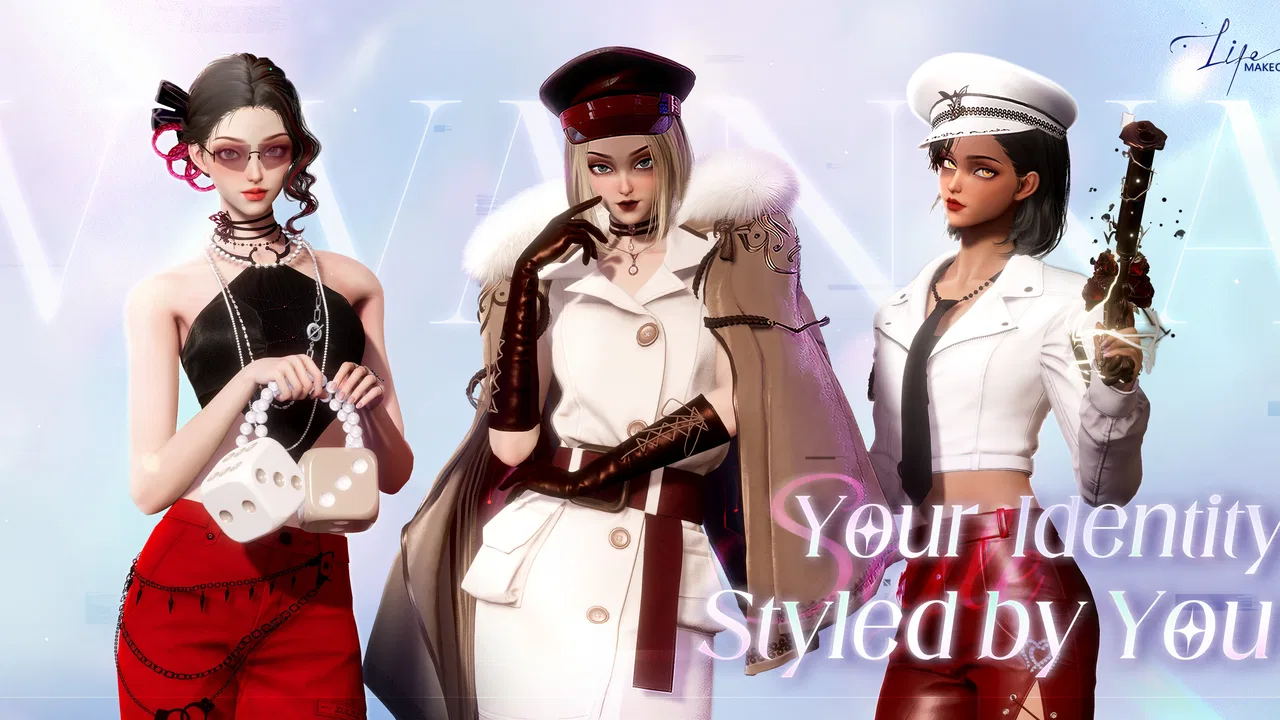
The opening experience communicates the game’s priorities quickly. Instead of treating clothing as a minor reward between action sequences, it makes appearance part of the main activity. I spend time looking at silhouettes, colors, materials, and combinations, then adjust the result until the character feels deliberately styled rather than randomly assembled.
That approach makes the game approachable. I do not need to understand a large set of role-playing systems before enjoying the first session. The basic loop is intuitive: explore the available presentation options, create a look, take part in the surrounding activities, and return to improve the character or the environment. The interface is busy enough to suggest depth, but the visual organization generally keeps the central task understandable.
The strongest early quality is the sense that small changes matter. A different hairstyle can alter the entire impression of an outfit. Changing the color balance can make a formal look feel relaxed, while a simple accessory can give a more ordinary combination a recognizable identity. I found myself paying attention to relationships between pieces instead of judging every item in isolation.
What the first impression gets right
Life Makeover does not force me to treat fashion as a spreadsheet immediately. I can experiment first and optimize later. That is important because the game’s appeal depends on personal expression. If every decision felt like a strict score chase, the creative side would lose much of its charm.
There is also a useful sense of scale. The game presents a character who can be styled, but the surrounding simulation gives that styling a place to belong. The result feels closer to managing a personal fantasy lifestyle than simply scrolling through a wardrobe. I can imagine opening it during a quiet break, making one outfit, adjusting a room, and stopping without needing to commit to a long action sequence.
The limitation is that the opening can feel less exciting if I expect immediate drama. Its pace is deliberately calm, and the game asks me to appreciate presentation before offering a strong mechanical hook. That is not a flaw for the intended audience, but it does mean that players coming from fast role-playing games may find the initial movement too restrained.
Who will connect with it quickly
The best match is someone who enjoys dress-up, character creation, lifestyle simulation, and visual collecting in roughly equal measure. It also suits players who like taking screenshots or building a consistent personal aesthetic, even if they do not usually describe themselves as role-playing fans.
It is less suitable for a player who wants every session to provide a clear tactical challenge. The role-playing label is useful, but I would not approach this as a substitute for a combat-heavy adventure. Its role-playing identity comes through the character, setting, progression of presentation, and daily engagement rather than through constant fighting.
How the world communicates through art and setting
The setting makes customization feel less like dressing a mannequin and more like deciding how a character belongs in a place. I find it useful to pick a mood or color direction before browsing, then let the surroundings guide the final details. That visual relationship is only part of the game’s atmosphere, though; its sound and relaxed tempo also shape how a session feels.
Visual language instead of exposition overload
The art direction carries much of the game’s personality. Clothing is not presented as a collection of disconnected rewards; it helps establish the tone of the world. Elegant pieces, casual combinations, and more dramatic styling choices suggest different ways of inhabiting the setting. I found that the visual language encouraged me to think about context: what kind of mood does this outfit create, and where would it feel natural?
This makes the customization feel more meaningful than simply equipping the item with the highest value. Even when I am not pursuing a specific objective, I can set a theme for the character and build around it. A practical tip is to decide on a visual direction before changing individual pieces. For example, starting with a color family or a formal-versus-relaxed idea reduces the temptation to add every attractive item at once.
The same principle applies to the environment. The setting gives the character’s appearance a stage, so styling and simulation support each other. A carefully chosen outfit feels more complete when it belongs in a space with a compatible atmosphere. This connection is one of the game’s more effective design choices because it prevents the wardrobe from feeling like a separate menu pasted onto a different genre.
Why the setting matters to the mechanics
In many dress-up games, the background is mostly decoration. Here, the broader lifestyle framing makes the space feel like part of the reward. I do not only want a new piece of clothing; I also want to see how that piece fits into the character’s routine and surroundings. That gives ordinary customization a little more emotional weight.
One of my favorite ways to use the game is to create a small visual story rather than a single “best” outfit. I might choose a relaxed look for an everyday scene, then make a second version with stronger contrast for a more polished occasion. Thinking in pairs helps me notice how the same character can communicate different personalities without changing the basic identity.
The trade-off is that players who prefer direct progression may see this attention to presentation as unnecessary. The game often asks me to care about atmosphere, coordination, and gradual refinement. If I only want a clear chain of missions with powerful rewards, some of that design effort can feel like a detour.
Details that reward patience
The visual presentation works best when I stop treating the wardrobe as a checklist. Instead of immediately trying to collect everything, I get more value from learning which shapes and tones work together. I also recommend saving a few reliable combinations mentally: one understated look, one formal look, and one experimental look. That makes later customization faster and leaves more time for creative choices.
This is a subtle strength because it turns the player’s own taste into a progression tool. The game provides the materials, but I supply the visual judgment. Someone who enjoys noticing small differences in proportion, layering, and color will probably find more depth here than someone who taps through the first acceptable result.
Sound, pacing, and the feeling of a playable mood
I think the calm rhythm is best treated as an invitation to play in small, intentional bursts rather than a promise of constant novelty. A session with one clear styling goal can feel satisfying, while browsing without a direction may stretch the same activity thin. That pacing sets up a closer look at whether the underlying mechanics support the cozy presentation or merely decorate it.
A calmer rhythm than typical role-playing games
The sound and pacing support the game’s cozy identity. Life Makeover does not feel designed around constant urgency. Its rhythm leaves room for browsing, adjusting, and looking at the result. That slower structure is especially welcome in a genre where menus and rewards can otherwise create pressure to move quickly from one task to the next.
I think of it as a game for transitional moments: after work, before bed, or during a short break when I want an activity that feels more involved than watching a video but less demanding than a competitive match. A realistic session might involve checking the current character, trying a few outfit combinations, making a small change to the living space, and closing the game once the visual idea feels complete.
The downside is that this rhythm can become repetitive if I am not personally interested in styling. The game’s calmness is not a replacement for variety; it is a frame that makes the existing activities feel pleasant. If the basic act of arranging a look does not hold your attention, the relaxed pacing may make the lack of action more noticeable rather than less.
Sound as support rather than spectacle
The audio presentation works best as part of the overall mood instead of trying to dominate it. I did not approach the game expecting a dramatic soundtrack to carry every scene. Its sound design fits the idea of a personal space and a soft fantasy routine, allowing the visual choices to remain central.
That balance matters because strong audio cues can make a dress-up game feel like a sequence of transactions. Here, the quieter approach helps preserve the feeling that I am spending time in a designed world. I can focus on comparing outfits and arranging details without feeling that every tap must lead to a major event.
For players who usually keep their phone muted, the game remains understandable through its visual presentation, but the intended mood is easier to appreciate with sound available. I would not call audio the main reason to play, yet it contributes to the coherence that makes the slower structure work.
When the pacing becomes friction
The same leisurely design can make routine actions feel longer than expected. Browsing many options is enjoyable when I have a clear idea in mind, but it can become tiring when I am simply searching for something that fits. My practical advice is to enter each session with a small goal: refine a color palette, create a look for a particular mood, or improve one area of the character’s presentation.
This approach also helps with the game’s broader progression. Rather than trying to extract every reward in one sitting, I treat it as a continuing hobby. That reduces the feeling that I should finish every available activity and makes the gentle tempo feel intentional instead of slow.
How the mechanics fit the cozy presentation
The key question is whether the game’s systems give the wardrobe and living space enough purpose to keep me returning. I get the most from linking them: choose a feeling for the environment, then make the character’s look belong in it. That approach highlights the game’s distinctive appeal, while also making clear why someone seeking tactical challenge may prefer another role-playing game.
Dress-up is the main decision-making tool
The central mechanical pleasure is comparison. I look at how individual items alter the whole appearance, then decide whether consistency or contrast is more important. This is more engaging than simply selecting a preset because it gives me room to develop a recognizable style.
A useful workflow is to choose the largest visual element first, such as the general clothing direction, and then build outward. I avoid beginning with small accessories because they can pull the look in too many directions before the foundation is settled. Once the main shape works, smaller details become easier to judge.
The game also benefits from the fact that there is no single aesthetic that I have to enjoy. I can aim for soft and understated, polished and formal, or more expressive combinations. That flexibility makes the customization feel personal, although it also means that players who want a very explicit “correct” answer may find the experience less satisfying.
Simulation gives the wardrobe a reason to exist
The simulation layer is important because it prevents the dress-up from becoming a purely isolated activity. The character’s appearance belongs to a wider routine, and that context makes each change feel like part of an ongoing life rather than a one-time screen decoration.
I especially appreciate this when I use the game as a creative reset. Instead of trying to maximize every system, I can make a small environmental adjustment and then style the character to match. That creates a simple but effective loop: change the space, reconsider the outfit, and see whether the two now express the same mood.
Players should know that this kind of design rewards consistency more than speed. The game is at its best when I return with a new idea, not when I force myself through every available option. In that sense, it differs from many traditional role-playing games, where the main satisfaction comes from becoming stronger. Here, the satisfaction often comes from becoming more specific.
Free entry and the cost of convenience
Life Makeover is free to download, which makes it easy to try the core mood before deciding whether it deserves a regular place on your phone. Optional purchases range from $0.99 to $99.99 per item, so I would approach the store carefully and decide in advance how much the creative side is worth to me.
The important trade-off is not simply whether spending is required. It is whether acquiring more options changes how enjoyable the game feels for a particular player. Someone who likes working within limits may enjoy making a strong look from a smaller selection. Someone who treats variety as the main attraction may feel more tempted by purchases.
My advice is to play slowly before spending. First learn which styles you actually use, then decide whether an additional item would solve a real creative problem or merely satisfy the urge to collect. That distinction keeps the dress-up loop enjoyable instead of turning it into a constant shopping task.
How it compares with familiar alternatives
Compared with a conventional role-playing game, Life Makeover offers less emphasis on combat pressure and more on identity, appearance, and setting. Compared with a simple dress-up app, it gives the wardrobe a larger world and a more persistent sense of character. Compared with a pure home-design game, it keeps the person at the center rather than making the room the only project.
That middle position is its strongest argument. It is not trying to replace every other genre; it combines enough of several interests to create a particular kind of relaxation. If you want a focused fashion editor with no surrounding progression, a simpler dress-up title may be quicker. If you want tactical decisions and constant challenge, a traditional role-playing game will be a better fit. Life Makeover works when you want the connection between styling, setting, and routine.
Who should play and how to get more from it
For me, the best results come from arriving with a small creative prompt and resisting the urge to treat every option as a must-have. That keeps customization personal and helps the unhurried pace feel deliberate instead of aimless. The final section weighs who is likely to enjoy that routine, who may be better served elsewhere, and how to make each visit count.
A good fit for creative, patient players
I would point fashion fans toward it first, especially those who enjoy building outfits around a theme instead of chasing one ideal appearance. It also suits players who like light simulation and want a game that can be visited in short sessions without demanding the intensity of a competitive title.
It is a particularly good choice for someone who enjoys visual storytelling. You can use the character’s clothing and environment to suggest a personality, a change in mood, or a particular kind of day. That makes the game feel more expressive than its simple dress-up premise might suggest.
I would skip it if you dislike browsing menus, repeating customization tasks, or making aesthetic decisions without a clear mechanical answer. I would also skip it if you need a strong action hook in the first few minutes. The game’s appeal grows through accumulation and refinement, so impatience works against it.
Practical habits that improve the experience
First, create a theme before selecting individual items. This prevents attractive pieces from competing with one another and makes the final result more coherent. Second, compare complete looks rather than judging every item on its own. An unusual piece may work beautifully once the rest of the outfit supports it.
Third, use the environment as a design prompt. Instead of styling the character first every time, begin with the feeling you want the space to convey, then choose clothing that belongs there. This reverses the usual workflow and can produce combinations that feel more intentional.
Finally, keep your sessions focused. One small goal is enough: a new color direction, a more formal version of an existing look, or a visual match between the character and the setting. This makes the slow pacing feel rewarding and reduces the fatigue that can come from browsing without a plan.
Device expectations and long-term appeal
The game supports Android 8.0 and later, which makes it accessible to many Android players, though the visual presentation and broad simulation structure mean that I would still give the device enough free space and avoid running too many demanding apps at once. The experience is built around returning regularly, so comfort matters more than squeezing in a single marathon session.
Its long-term appeal depends heavily on whether I continue finding new styling ideas. The rating of 4.0 from about thirty-four thousand ratings suggests a generally positive reception with room for different opinions, and that feels fair to me. The game has a clear identity, but that identity will not appeal equally to everyone.
The Teen content rating is also worth keeping in mind for families choosing games together. I would not treat the cozy presentation as a promise that every player will enjoy it; the right audience is still someone comfortable with its role-playing framework and its emphasis on appearance and lifestyle simulation.
My atmosphere verdict
Life Makeover succeeds because its art direction, sound, setting, and pacing point in the same direction. The clothing encourages personal expression, the environment gives that expression context, and the calmer rhythm gives me time to notice the connection. The mechanics are not hidden behind the atmosphere; they are designed to support it.
My main reservation is that the same focus can feel narrow. If I am not in the mood to style, compare, and refine, there is not enough action to compensate. The free entry is helpful, but the range of optional purchases means I would play with a personal spending limit and judge each purchase by how often I will genuinely use it.
Still, I think the game earns its place as a relaxing role-playing experience rather than merely a decorative app. With over a million installs, it has found a sizable audience, and I can see why. Its best feature is the way a small outfit decision can change the feeling of the entire playable space.
For me, Life Makeover is worth trying if you want a cozy fashion-and-simulation game with enough role-playing structure to make customization feel connected to a life. I would recommend it to a friend who enjoys visual detail, patient progression, and making a character feel uniquely theirs. I would not recommend it to someone seeking fast combat or a tightly defined challenge. Its mood is the point, but its mechanics give that mood somewhere to live.
FAQs for Life Makeover
01What is Life Makeover, and what can I do in the game?
Life Makeover is a 3D fashion and lifestyle role-playing game focused on character customization, styling, storytelling, and social interaction. You can create a detailed avatar, change facial features, hairstyles, makeup, outfits, and accessories, then use your designs in story chapters, photo sessions, and events. The game also includes home decoration, crafting, and opportunities to interact with other players.
02Is Life Makeover free to download and play?
Yes, Life Makeover can be downloaded and played for free on supported Android and iOS devices. However, it includes optional in-app purchases for premium currency, outfits, cosmetics, resources, and other items. Many activities are accessible without spending money, but progression, collection goals, and limited-time fashion content may encourage purchases. It is a good idea to review your device’s purchase restrictions before playing.
03Does Life Makeover require an internet connection?
Life Makeover generally requires a stable internet connection because it is an online game with downloadable content, account synchronization, events, social features, and regularly updated fashion collections. You may also need to download additional files after installation, so using Wi-Fi is recommended, especially during the first launch. Offline play is limited, and some features may not work without access to the game servers.
04Can I customize my character and home in Life Makeover?
Customization is one of Life Makeover’s main attractions. You can adjust your character’s appearance in considerable detail, including skin tone, facial features, hair, makeup, body style, clothing, and accessories. The game also lets you decorate and personalize a home with furniture and decorative items. Some options are available through normal gameplay, while others may require progression, crafting, events, or premium resources.
05Does Life Makeover have multiplayer or social features?
Life Makeover includes several social features, although it is primarily experienced as a single-player fashion and story game. Depending on the available version and server content, you can interact with other players, visit social spaces, share photos, join groups or communities, and participate in events. Because online interaction is involved, parents should check privacy settings and supervise younger players where appropriate.
Pros
- Highly detailed character customization with extensive fashion options.
- Beautiful graphics and expressive character animations.
- Large story campaign with frequent events and side activities.
- Social features let you visit friends and share creative designs.
- Housing system offers plenty of room for decorating and personalization.
Cons
- Large downloads and frequent updates may consume significant storage.
- Progress can feel slow without spending premium currency.
- Many outfits and resources are locked behind gacha mechanics.
- Energy and other timers can interrupt longer play sessions.
- The interface may feel overwhelming for new players at first.

Life Makeover
Gallery